
Most people fail not because workouts are hard, but because schedules are fragile. The answer isn’t more motivation—it’s a realistic, repeatable framework that fits in 20 minutes, adapts to chaos, and builds capacity week after week. Use this blueprint to make daily exercise non‑negotiable even with a demanding job, kids, or travel.
Pick Your Anchor Windows (and Protect Them)
Consistency lives or dies on timing. Choose two anchor windows that are least likely to be hijacked:
- Primary: early morning (15–30 minutes after waking) or immediately after work arrival at home.
- Secondary: lunch break or post‑dinner walk window.
Block them on your calendar with explicit labels like “20‑min Strength A” or “Walk + Mobility.” Set smart alarms: one for prep (clothes on) and one for start (timer). Don’t leave your session unnamed—names reduce decision fatigue.
Give Each Day a Job
Assign simple roles to the week so you always know what to do when the timer starts:
- Mon: Strength A — push, squat, carry
- Tue: Cardio Easy — zone 2 walk, bike, row
- Wed: Mobility + Core — restore range, stabilize
- Thu: Strength B — hinge, pull, lunge
- Fri: Cardio Intervals — short bouts, low volume
- Sat: Long Walk or Play — hike, sports, kids chase
- Sun: Recovery MVS — streak insurance, light stretch
This structure balances movement patterns, energy, and recovery while keeping daily decisions near zero.
Use the Minimum Viable Session (MVS) Rule
Your floor is a 6–10 minute MVS tuned to each day’s role. If your schedule collapses, perform the MVS. If time remains, extend to 20 minutes. Every session counts. Zero days kill momentum; short days build it.
Session Templates That Fit Anywhere
Strength A (20 minutes):
- Prep (2 min): 10 hip hinges, 10 shoulder circles, 10 step‑backs.
- Circuit (15 min AMRAP, RPE 6–7): 8–12 elevated push‑ups, 10–15 goblet squats, 10–12 kettlebell deadlifts, 20‑second suitcase carry/side.
- Finish (3 min): breathing and reach.
Cardio Easy (20 minutes):
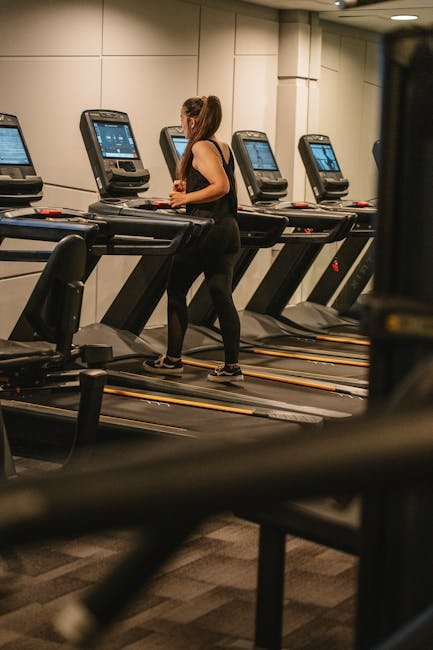
- Walk briskly outdoors or on a treadmill at a pace you can nasal breathe and hold a conversation. Aim for 120–140 bpm if tracking.
Mobility + Core (20 minutes):
- Flow: 60 seconds each — cat‑cow, 90/90 hip switches, thoracic openers, couch stretch per side, dead bug, side plank per side. Repeat twice.
Strength B (20 minutes):
- Prep (2 min): glute bridges, band pull‑aparts.
- Circuit (15 min AMRAP): 8–12 dumbbell Romanian deadlifts, 8–12 one‑arm rows/side, 8–10 reverse lunges/side, 6–10 half‑kneeling presses/side.
- Finish (3 min): thoracic rotations.
Cardio Intervals (20 minutes):
- 5 rounds: 60 seconds easy, 30 seconds faster (not all‑out). End with 3 minutes easy.
Long Walk or Play (20+ minutes):
- Walk, hike, or play a sport with family. Keep it conversational. Bonus minutes are welcome.
Recovery MVS (6–10 minutes):
- Light mobility sequence and a slow walk around the block.
The Three‑Strike Rule for Missed Sessions
Miss once? It happens. Miss twice? Deploy your secondary anchor window the next day. Miss three times in a week? Trigger a reset protocol:
- Drop intensity to RPE 5–6 for 7 days.
- Use only MVS for 48 hours.
- Audit friction: what blocked you? Fix one thing immediately (earlier alarm, bag pre‑packed, shorter commute gym).
Travel and Chaos‑Proof Variations
Carry a micro‑kit: mini band, light loop, and a jump rope. Use hotel rooms or parks. Keep rules simple:
- Strength on the road: 15‑minute ladder of incline push‑ups, air squats, and rows using a sturdy table or towel door‑row.
- Cardio: 20‑minute brisk walk around the hotel block.
- Mobility: repeat your home flow.
Streak wins over intensity away from home.
Progression Without Overwhelm
Every two weeks, choose only one lever:
- Add 1–2 reps per set for strength movements.
- Add 2 minutes total to cardio time.
- Add one mobility drill that targets your tightest area.
Keep RPE under control. If you’re sore more than 48 hours or sleep worsens, hold or reduce volume.
Weekly Review That Actually Improves Next Week
On Sunday, do a 10‑minute debrief:
- Consistency rate (aim 80–90%).
- What made starting easy? Double down.
- What created friction? Remove one blocker.
- Lock next week’s sessions by name in your calendar.
Example Week for a Busy Parent
Mon 6:30 a.m. Strength A (20 min). Tue 12:15 p.m. Cardio Easy (20 min). Wed 8:15 p.m. Mobility + Core (10 min MVS). Thu 6:30 a.m. Strength B (20 min). Fri 6:00 p.m. Cardio Intervals (20 min). Sat 10:00 a.m. Family hike (30–60 min). Sun 7:00 p.m. Recovery MVS (8 min). If a kid gets sick on Tue, shift the walk to Wed lunch, and run Mobility at night.
Gear and Setup That Save Minutes
- Home corner: mat, one kettlebell (12–24 kg based on level), light dumbbells, bands, timer.
- Gym bag: jump rope, mini band, towel, spare socks, deodorant, headphones.
- Tech: one timer app and one notes app. Avoid app hopping.
Make It Stick
This blueprint isn’t a challenge. It’s a design that survives real life. Protect your anchor windows, use your day roles, honor the MVS on busy days, and review weekly. In three months, your 20‑minute habit will be the most reliable appointment you keep.
If you want the deep habit mechanics behind this schedule, build your system with proven behavior design. When you’re ready for a step‑by‑step plan that progresses over 12 weeks, plug in a starter program that layers strength, cardio, and mobility intelligently. And if low energy derails you, optimize sleep, nutrition, and your environment so 20 minutes feels easy.