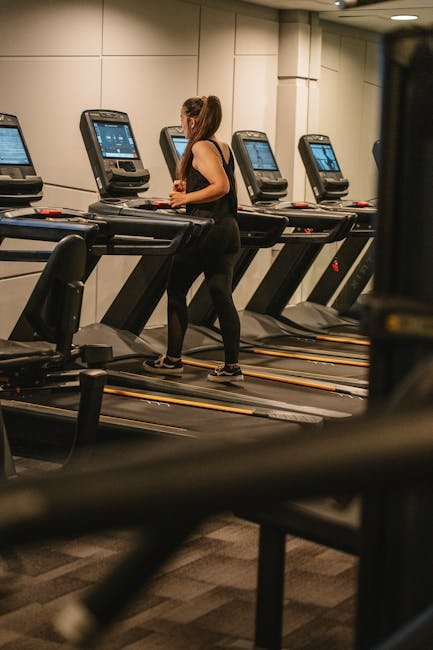
Most skipped workouts trace back to low energy and high friction. Fix those, and “laziness” fades. This guide aligns your sleep, light exposure, caffeine, simple fueling, hydration, and environment so training requires less willpower and feels better—every day.
Sleep Is Your First Pre‑Workout
Sleep quality drives motivation, pain tolerance, and performance. You don’t need perfection—just stable anchors and a few levers:
- Bed and wake anchors: Keep them within a 60‑minute range daily. Your body loves predictability.
- Light management: Two minutes of outdoor light within an hour of waking boosts alertness. Dim household lights 60–90 minutes before bed.
- Bedroom basics: Cool (17–19°C), dark, quiet. Use blackout curtains, eye mask, and a fan or white noise.
- Wind‑down ritual: 10–20 minutes: stretch, read paper pages, or breathwork. Avoid intense screens.
If sleep dropped below 6 hours, don’t cancel training. Do a short, easy session and prioritize an earlier bedtime tonight.
Caffeine Timing That Helps Instead of Hurts
Used right, caffeine improves effort perception and output. Used wrong, it wrecks sleep and tomorrow’s workout.
- Wait 60–90 minutes after waking for your first caffeine. This avoids an energy crash later.
- Cap total caffeine 3–6 mg/kg/day. Beginners do fine on 100–200 mg pre‑workout.
- Curfew: no caffeine within 8–10 hours of bedtime.
If training early, start with water and a light snack. Sip coffee or tea as you warm up, not 5 minutes before bed the night before.
Simple Pre‑Workout Fueling (No Chef Needed)
Most daily sessions are 20–40 minutes. You don’t need fancy fueling—just avoid fasts that leave you flat.
- Early morning: water + a small carb (banana, toast with honey) or a few dates. Optional: 10–15 g whey or yogurt if you tolerate food well.
- Midday or evening: last meal 2–3 hours prior? You’re fine. If hungry, add a small carb 30–60 minutes pre‑session (rice cake + peanut butter, small granola bar).
- Hydration: 300–500 ml water in the hour before training. If you’re a salty sweater or it’s hot, add a pinch of salt or an electrolyte tab.
Feeling heavy or sluggish? Reduce pre‑workout fat and fiber; choose simple, light carbs.
Post‑Workout Nutrition Without Overthinking
Daily consistency matters more than a “30‑minute anabolic window.” Aim for:
- Protein: 20–40 g per meal, 2–4 times daily. Simple options: eggs, Greek yogurt, cottage cheese, chicken, tofu, protein shake.
- Carbs: fill your plate with whole carbs you like—potatoes, rice, oats, fruit.
- Fluids: drink to thirst, add electrolytes if you sweat heavily.
After late sessions, keep dinner lighter on fats to support sleep.
Hydration Habits That Stick
Dehydration disguises itself as fatigue and low motivation. Build micro‑habits:
- Water bottle in your line of sight at work; drink a glass with each meal and before training.
- Lightly salt food if you sweat a lot or live in hot climates.
- Use a simple rule: clear to pale‑straw urine by midday.
Light, Movement, and Mood Loops
Sunlight and light movement early set up better energy later. Stack these:
- Morning sun + 5–10 minute walk.
- Short “movement snacks” every 60–90 minutes during desk work: 10 bodyweight squats, 10 band pull‑aparts, or a 3‑minute walk.
You’ll arrive at your training window feeling more awake and less stiff.
Design a Home Environment That Trains You Back
Place the path of least resistance through your workout corner:
- Keep a mat rolled out and a kettlebell ready. Out of sight is out of mind—keep them visible.
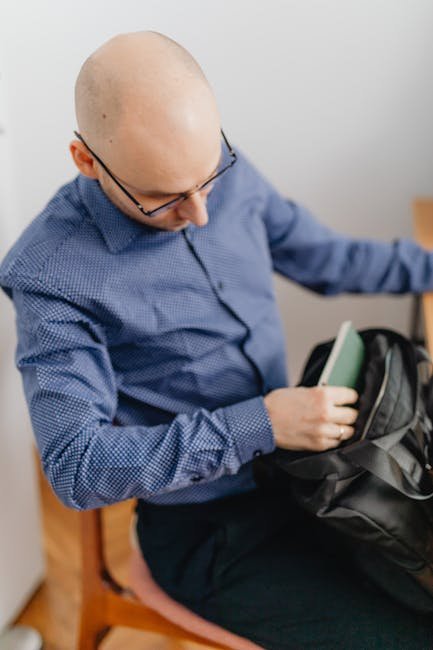
- Pack your gym bag at night and put it by the door or in your car trunk.
- Leave a band by the coffee machine. It’s a cue to do 10 pulls as the kettle boils.
Hang a simple progress board where you see it: a monthly calendar for streaks or a whiteboard with your session names.
Workday Systems That Prevent Derailment
Meetings run long; energy dips mid-afternoon. Build guardrails:
- Schedule “hard stops” 15 minutes before your workout window.
- Use an away message for that 30 minutes: “Training break; back at 1:00 p.m.”
- Keep snacks that don’t crash you: fruit, yogurt, jerky, nuts (small portions), rice cakes.
If your job is unpredictable, train earlier, or split 20 minutes into two 10‑minute bites.
Digital Friction: The Hidden Energy Leak
Phones drain willpower. Reduce their grip in your training window:
- Airplane mode during sessions. Use a physical timer or a watch.
- Create a “training focus” mode that silences all but emergency contacts.
- Set one playlist or podcast. Avoid scrolling for the “right song.”
Recovery Rituals That Extend Consistency
Hard charging without recovery leads to soreness and skips. Keep these simple:
- Post‑session 2–3 minutes of nasal breathing in child’s pose or on your back with feet up.
- 5–10 minute walk after dinner for digestion and relaxation.
- Gentle mobility on off‑intensity days; save deep tissue work for when you’re warm.
When Energy Crashes Anyway
Use the Red/Yellow/Green method:
- Red day: do a 6–8 minute MVS (mobility or brisk walk). Then, lights out earlier.
- Yellow day: cap at RPE 5–6 for 12–20 minutes.
- Green day: full plan.
Your body’s feedback matters; your plan adapts.
Put Energy on Autopilot
Tonight: pack your bag, lay out clothes, set a caffeine cutoff 8 hours before bed, and plan a 2‑minute wind‑down ritual. Tomorrow: get a few minutes of morning light and sip water before your first coffee. By your training window, you’ll feel noticeably more ready—and day by day, that readiness compounds into a habit that sticks.
To integrate this with a sustainable daily practice, pair it with a 20‑minute scheduling blueprint. For finely tuned adherence on tough days, use battle‑tested psychology tactics. If you want a clear next step, follow a 12‑week daily program that builds strength, cardio, and mobility without burning you out.