You don’t have a motivation problem. You have a design problem. If the easiest option after work is your couch, your brain will follow that path every time. Willpower loses to environment and friction—especially at 6 p.m. That’s good news: you can rewire your setup so moving becomes the default. This isn’t about hyped-up quotes or waiting to “feel ready.” It’s about engineering a series of tiny, reliable wins that stack into a daily exercise habit without drama.
Why Willpower Fails By 6 p.m. (And What To Do Instead)
By late day, decision fatigue, hunger, and stress all converge. Your brain is biased toward the path of least resistance. If exercising requires searching for clothes, charging headphones, finding a program, and guessing at a workout, the friction tax is too high. The fix is not “more motivation.” The fix is fewer decisions and lower friction.
Replace willpower with systems:
- Pre-decide your workout options (tiny, standard, and expanded) so you never have to think.
- Stage gear where you can’t miss it. Shoes by the door. Mat rolled out. Timer ready.
- Create a 60–90 second start ritual so your body moves before your brain negotiates.
Map Your Current Habit Loop
Every behavior lives in a loop: cue → routine → reward. For three days, note the exact moment your planned workout slips. Where are you? What time is it? What emotion or thought shows up? That’s your cue. The routine is either training or skipping. The reward for skipping is instant relief. You’ll counter that with easier starts and immediate positive feedback for moving.
Run a quick audit:
- Cue inventory: list your top three risky moments (e.g., arriving home, finishing dinner, opening Netflix).
- Routine reality: what do you actually do then?
- Reward analysis: what instant benefit do you get from skipping (comfort, screen time)?
Now design a new loop for the same cue. Example: after putting keys down (cue), you put on shoes and do 20 bodyweight squats (routine), then check a box on your wall calendar and start your favorite playlist (reward). The replacement routine is faster than the skip.
Remove Friction Until Moving Is Cheaper Than Skipping
Friction decides your future. Lower it so hard that not moving requires more effort than starting.
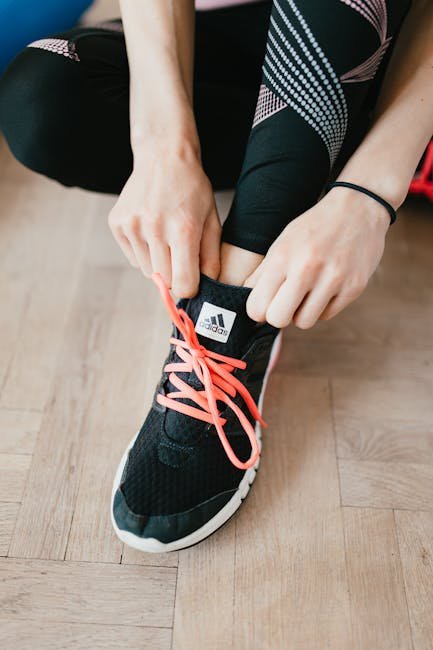
- Clothing: set out tomorrow’s workout clothes and socks the night before. Place them at your exit point, not in a drawer.
- Shoes: keep a dedicated pair at the door. If you train outside, stash a second pair in your car.
- Program: print a single sheet with three options (5, 20, and 40 minutes). Tape it where you warm up.
- Equipment: consolidate to one spot. Adjustable dumbbells, a mat, a loop band, and a timer beat a garage full of chaos.
- Tech: pre-download your playlist or podcast. Open your timer or app before you start work.
If you need 10 minutes to get ready, you’ve already lost. Make it 30 seconds.
Build a Powerful Start Ritual (90 Seconds Max)
Your brain loves scripts. Use one to bypass hesitation. Keep it short and the same every time.
Example start ritual:
- Step 1: Stand at your “start spot” (mat or doorway), press play on your warm-up playlist.
- Step 2: Do 10 slow inhales through the nose and long exhales to lower tension.
- Step 3: Perform 10 bodyweight squats, 10 arm circles, 20 marching steps.
After that, you are “in motion.” Decide only after this 90-second ramp whether you’ll do the 5, 20, or 40-minute option. Movement precedes motivation.
Stack Tiny Wins Into a Default Route Through Your Home
Create a physical route that makes exercise hard to miss:
- Bedroom exit → see clothes → put them on.
- Hallway → see mat → step on it and start ritual.
- Doorway → see shoes → tie laces and step outside.
Add visible prompts: tape your printed workout to the wall at chest height. Put a bright sticker on your timer. The more obvious the path, the less you negotiate.
Design a Simple Home Movement Station
You don’t need much, but you need it ready. Keep it neat and always set:
- Core kit: adjustable dumbbells, loop bands (light and medium), a foam mat, a jump rope, and a phone tripod or shelf for your timer.
- Storage: a small rack or bin directly next to your start spot. Mess kills momentum; tidy equals trainable.
- Markers: tape on the floor for foot positions (squats/hinges) so setup is automatic.
Place a small whiteboard with your three go-to sessions:
- 5-minute: EMOM (Every Minute on the Minute) – 10 squats, 10 pushups (incline if needed), 20 mountain climbers, repeat.
- 20-minute: Alternating strength and cardio intervals – 40 seconds work, 20 seconds rest, 10 rounds.
- 40-minute: Full session with warm-up, 3 circuits, and an easy cool-down walk.
The 7-Day Automation Sprint
In one week, you can make daily exercise easier than skipping. Follow this script:
- Day 1: Build your station. Lay out clothes, shoes, and print your 3-option workout sheet. Choose your start spot and start ritual.
- Day 2: Run the ritual and do only the 5-minute session. Check your wall calendar. Celebrate with a small reward (tea, podcast, or a warm shower).
- Day 3: Ritual + choose 5 or 20 minutes. Keep the decision after the ritual, not before.
- Day 4: Repeat. If resistance is high, do 2 minutes. Mark the X. Nonzero beats perfect.
- Day 5: Take your 20-minute option. Note how much easier starting feels.
- Day 6: Do the 5-minute option immediately upon arriving home to cut off the couch cue.
- Day 7: Choose your favorite option and schedule Week 2 in your calendar.
Keep the wall calendar visible. String X’s together. Never miss twice.
High-Friction Situations and Practical Fixes
Kids and bedtime chaos: move the start ritual earlier—right after daycare pickup or during bath time with a short mobility sequence. Keep a baby monitor-friendly bodyweight circuit in the hallway.
Small apartment and neighbors: choose low-impact moves at night (slow mountain climbers, tempo squats, split squat holds, pushups, band rows). Save jumps and sprints for daytime or outdoors.
Winter darkness: train by a bright lamp near a window. Prep gear at night. Use a reflective vest and choose a well-lit route. Keep a “storm session” (20 minutes of indoor circuits) printed and ready.
Partner buy-in: share the plan and agree on a 30-minute protected window. Reciprocal trade: you both get one protected block daily. Put it on the shared calendar.
Make Movement the Path of Least Resistance
Your environment should solve problems you used to solve with willpower. If starting is still hard, your friction is too high or your first step is too big. Shrink it again. Move first, decide later. Reward the start, not the finish.
When you’re ready to expand beyond your station, you can lock in consistent time windows and build stress-aware weekly plans with a simple calendar system. You can also stabilize your energy—sleep, light, hydration, and pre-workout fuel—so starting feels natural, not forced. And you can turn your results into momentum with simple trackers and social accountability that make missing feel off, not normal.