
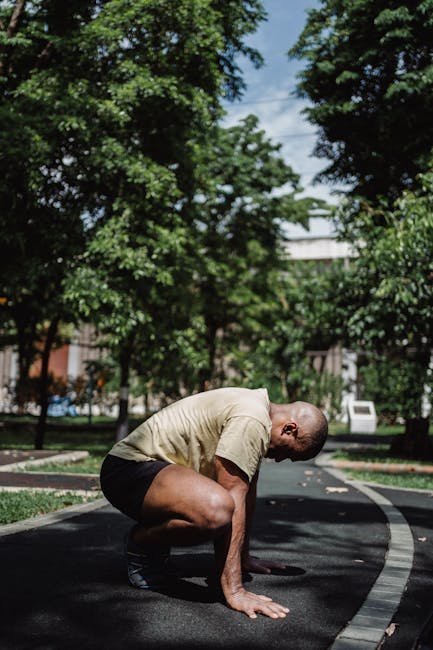
If you’re starting from near zero, you don’t need a hardcore plan—you need a gentle, smart progression that respects recovery, builds confidence, and turns training into a reflex. This 12‑week program does exactly that. Sessions are short, equipment is minimal, and each week has a clear purpose. You’ll end with a bulletproof daily habit and a stronger, fitter body.
What You’ll Need (and What You Won’t)
- Must‑haves: a clear floor space (2×2 m), a mat, comfortable shoes, timer.
- Nice‑to‑have: one kettlebell (12–20 kg for most; choose a weight you can deadlift for 10 smooth reps), light dumbbells (2–8 kg), mini band.
- No need: complex machines, long sessions, advanced tracking tech.
Program Structure at a Glance
- Daily sessions: 6–25 minutes, varying by phase and how you feel (Red/Yellow/Green day system).
- Three pillars each week: strength, cardio, mobility/core.
- Progress slowly: add reps or minutes every two weeks; use a planned deload on Week 7.
Intensity Guide (RPE)
Rate of Perceived Exertion (RPE) 1–10 scale:
- RPE 4–5: easy; nasal breathing possible; full sentences.
- RPE 6–7: moderate; conversation in short phrases.
- RPE 8: hard; speaking is tough but controlled.
Most sessions live at RPE 5–7. Save RPE 8 for brief intervals in later weeks.
Weeks 1–2: Build the Floor (6–12 minutes)
Goal: establish daily movement and your Minimum Viable Session (MVS). Keep everything easy.
- Mon: Strength A (8–12 min). 2–3 rounds at RPE 5–6: 6–10 elevated push‑ups, 8–12 bodyweight squats (use a chair touch), 10 dead bugs (5/side).
- Tue: Cardio Easy (10–12 min). Brisk walk.
- Wed: Mobility + Core (6–10 min). Cat‑cow, hip hinges, 90/90 transitions, side plank 15–20s/side.
- Thu: Strength B (8–12 min). 2–3 rounds: 8–12 hip hinges (broomstick cue), 8–12 rows with band or towel door‑row, 6–10 reverse lunges/side (use support).
- Fri: Cardio Easy (10–12 min). Walk or cycle lightly.
- Sat: Play/Walk (12–20 min). Choose something you enjoy.
- Sun: Recovery MVS (6–8 min). Gentle stretch and slow walk.
Weeks 3–4: Add Reps and Confidence (10–18 minutes)
Goal: gradually increase volume while staying comfortable.
- Mon: Strength A. 3 rounds, add 1–2 reps/set. Optional: light dumbbell goblet squats.
- Tue: Cardio Easy. Extend to 14–18 minutes or add a gentle hill.
- Wed: Mobility + Core. Add thoracic rotation and couch stretch.
- Thu: Strength B. 3 rounds. Introduce light dumbbell RDLs if available.
- Fri: Cardio Easy. Maintain 14–18 minutes.
- Sat: Play/Walk. Aim for 20 minutes.
- Sun: Recovery MVS. Keep the streak.
Weeks 5–6: Groove Strength Patterns (12–22 minutes)
Goal: build resilience in core movements. RPE ~6–7.
- Mon: Strength A. Circuit 15 minutes AMRAP: elevated push‑ups, goblet squats, suitcase carry 20–30 seconds/side.
- Tue: Cardio Easy. 16–20 minutes zone 2.
- Wed: Mobility + Core. Add 30–45s side planks and dead bug variations.
- Thu: Strength B. Circuit 15 minutes: dumbbell or kettlebell RDLs, one‑arm rows, reverse lunges.
- Fri: Cardio Easy. Maintain 16–20 minutes.
- Sat: Play/Walk. 20–30 minutes.
- Sun: Recovery MVS.
Week 7: Deload and Lock the Habit (8–15 minutes)
Goal: reduce fatigue, reinforce identity as a daily mover.
- All sessions at RPE 4–5.
- Strength days: 2 light rounds only.
- Cardio: 12–15 minutes easy.
- Mobility: 8–10 minutes.
Protect sleep this week. Keep the streak effortless.
Weeks 8–9: Introduce Controlled Intensity (12–25 minutes)
Goal: small doses of intervals and fuller circuits.
- Mon: Strength A. 18–20 minutes: push‑up variation, goblet squats, carries.
- Tue: Cardio Intervals. 5 rounds: 60s easy, 20–30s faster (not sprinting), finish with 3 minutes easy.
- Wed: Mobility + Core. 12–15 minutes.
- Thu: Strength B. 18–20 minutes: RDLs, rows, split squats or lunges.
- Fri: Cardio Easy. 18–20 minutes zone 2.
- Sat: Play/Walk. 25+ minutes.
- Sun: Recovery MVS.
Weeks 10–11: Consolidate and Progress Selectively (15–25 minutes)
Goal: minor progress, maintain recovery.
- Pick one lever: +1–2 reps on strength sets, +2 minutes cardio, or +1 mobility drill.
- Maintain RPE 6–7 most days. Keep intervals modest.
Sample week mirrors Weeks 8–9 with your chosen progression.
Week 12: Light Test and Celebration Week (12–25 minutes)
Goal: measure progress without ego lifting.
- Day 1: Strength A test — max controlled goblet squat reps at your usual weight (stop when form degrades). Note reps.
- Day 3: Cardio time trial — 10 minutes brisk walk distance or bike distance. Note meters.
- Day 5: Strength B test — max controlled RDL reps at your usual weight (form strict). Note reps.
- Other days: easy cardio or mobility.
Compare to Week 1 logs. Expect better ease, more reps, and a calmer mind around training.
Red/Yellow/Green Autoregulation
Every day, rate your capacity:
- Green: full session as written.
- Yellow: cut volume by 25–40% or reduce RPE to 5–6.
- Red: do only the 6–10 minute MVS for that day’s role.
No guilt. The system adapts to life and still protects consistency.
Joint‑Friendly Options
- Knees unhappy with squats/lunges? Swap to chair sit‑to‑stands and step‑ups on a low step.
- Wrists hate push‑ups? Use dumbbell handles or elevated push‑ups on a bench.
- Back cranky with RDLs? Use hip hinges with a band and prioritize neutral spine.
- High impact bothers you? Choose cycling, rowing, or incline walking over running.
Time‑Crunch Conversions (6–10 Minutes)
Any day can compress:
- Strength: 1–2 rounds only.
- Cardio: 6–8 minutes brisk walk.
- Mobility: 6 minutes of your tightest drills.
How to Track Without Obsessing
- Log sessions with RPE and any notes (sleep, mood).
- Track consistency rate weekly (aim 80–90%).
- Weigh yourself no more than once weekly if bodyweight changes are a goal. Focus on strength and stamina improvements first.
After 12 Weeks: What’s Next
Option A: Repeat Weeks 8–11 for another block with slightly higher reps or minutes. Option B: Start a beginner strength plan with progressive overload and keep daily cardio/mobility MVS. Option C: Maintain the current structure and add one recreational activity you enjoy.
This program is built for real life. It doesn’t assume perfect days. It assumes you’re busy and sometimes tired, and it still wins by protecting the streak, progressing slowly, and using autoregulation.
For scheduling support, match this plan to a 20‑minute weekly blueprint. If you struggle to start on tough days, layer in battle‑tested psychology tactics. And to make training feel easier, support it with better sleep, nutrition, and environment design.