Daily exercise isn’t built on 60‑minute marathons. It’s built on compact, repeatable sessions that fit into real life and still move the needle. These Minimal‑Effective‑Dose (MED) templates remove guesswork, respect your time, and make progression obvious.
What “counts” as daily exercise—and why MED works
Daily doesn’t mean brutal every day. It means consistent stimulation with smart variation in intensity and focus. The MED principle: the smallest dose that drives adaptation while preserving recovery. Think 8–20 minutes, structured, decisive.
You’ll rotate three pillars:
- Strength: Short sets with big returns. Bodyweight or a single implement.
- Cardio: Brisk intervals or steady work you can do anywhere.
- Mobility/reset: Undo desk posture and prep tissues for tomorrow.
Design rules that make routines sticky
- One‑timer rule: Set a single timer for the whole session (e.g., 12 minutes). No complex programming during execution.
- Few moves, big impact: 2–4 exercises that cover push, pull, squat/hinge, and locomotion.
- RPE language: Target a Rate of Perceived Exertion (RPE) of 6–8 on hard days, 4–5 on easy days.
- Portable equipment: If you use gear, pick one item you can leave out: a kettlebell, pair of dumbbells, or a resistance band.
Template A: 12‑minute bodyweight strength circuit
Purpose: Whole‑body strength with zero equipment.
Setup: 12‑minute AMRAP (as many quality rounds as possible). Move steadily. Stop 2 reps shy of failure on each set.
- 8–12 squats (use a chair to target depth if needed)
- 6–10 incline pushups (hands on counter or sofa)
- 8–12 hip hinges (good mornings; hands on hips)
- 20‑second plank
Progression: Each week, aim for +1 rep per movement per round or reduce incline slightly. When you can complete 5 quality rounds, progress to full pushups or add a backpack for squats/hinges.
Template B: 15‑minute dumbbell combo
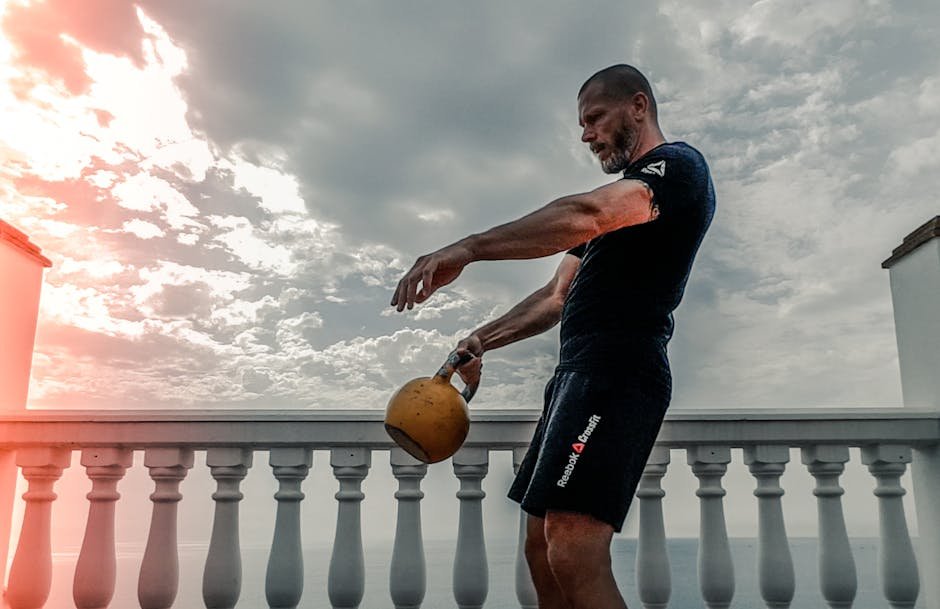
Purpose: Strength and cardio blend with one pair of adjustable dumbbells or a single kettlebell.
Setup: 5 rounds of 90 seconds work, 30 seconds rest.
- 30 seconds: Goblet squats (RPE 7)
- 30 seconds: One‑arm row (15 seconds per side)
- 30 seconds: Farmer carry in place (marching, braced)
Progression: Add 2.5–5 lb each week if form is crisp, or extend work intervals to 45 seconds while holding rest at 30 seconds.
Template C: 10‑minute cardio intervals anywhere
Purpose: Heart‑health bump with no equipment.
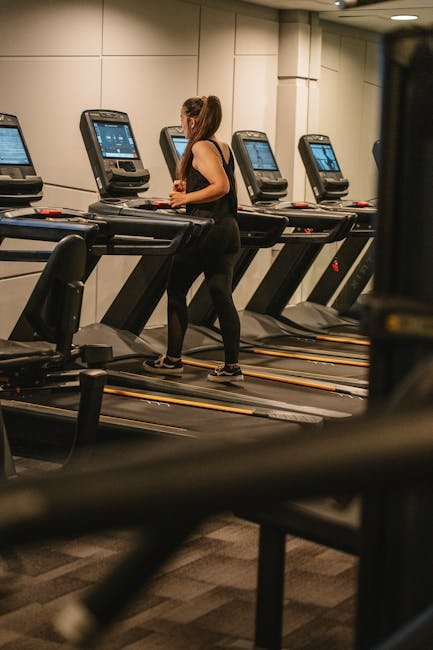
Setup: 10 rounds of 30 seconds on, 30 seconds easy.
- Choose one: brisk stair walks, jump rope, shadow boxing, or fast marching.
Progression: Increase “on” segments to 40 seconds over 3 weeks, or keep 30/30 and choose a steeper stair/pace.
Template D: 8‑minute mobility reset
Purpose: Undo desk stiffness and keep tissues happy so you can train tomorrow.
Setup: 2 rounds of the following, 1 minute each:
- World’s greatest stretch (half kneeling)
- Cat‑cow + thoracic rotations
- 90/90 hip switches
- Calf stretch against wall
Progression: Hold positions more precisely and breathe deeper, not necessarily longer.
Template E: 15‑minute walk + strides
Purpose: Low‑impact conditioning and sunlight.
Setup: 12‑minute brisk walk, then 3 x 20‑second fast strides with 40 seconds easy in between.
Progression: Add one stride per week up to 6, or lengthen the walk by 2 minutes per week.
28‑day schedule (plug‑and‑play)
Cycle intensity while keeping the daily habit:
- Mon: Template A (strength)
- Tue: Template C (cardio)
- Wed: Template D (mobility) + optional 5‑minute walk
- Thu: Template B (strength/cardio)
- Fri: Template C (cardio)
- Sat: Template A (strength) short version (8–10 minutes)
- Sun: Template E (walk + strides)
Repeat for 4 weeks. If life hits hard, your fallback is always Template D or a 6‑minute MVS. Green day is any day you complete the planned template or the fallback.
Progression knobs: how to get better without breaking
Pick one knob per week:
- Density: More rounds in the same time.
- Load: Slightly heavier weight for strength moves.
- Range: Deeper, cleaner movement with control.
- Complexity: Harder variations (e.g., incline to floor pushups).
Don’t twist all knobs at once. If you increase load, keep density stable.
Movement snacks for busy days
On days that explode, pepper in micro‑sets:
- Every hour: 10 squats + 5 incline pushups + 30‑second hang from a doorway pull‑up bar (or band pull‑aparts).
- Calls: Pace the room or walk outside instead of sitting.
- Doorway rule: Every time you pass the kitchen door, do a 20‑second calf stretch.
These don’t replace training forever; they preserve momentum when time collapses.
Equipment kit: pick one tool and leave it out
One tool is enough:
- Adjustable dumbbells: Compact, versatile for squats, rows, presses, carries.
- Kettlebell (12–16 kg for many beginners): Goblet squats, deadlifts, swings (learn form first), presses, carries.
- Long resistance band: Rows, presses, deadlifts, assisted pullups, hip work.
Place it where you trip over it during your anchor time. If the tool is in a closet, the workout is in the future.
Safety guardrails you’ll actually follow
- Warm up with the movement: First set is rehearsal speed. If joints complain, adjust the range or variation.
- Breathe: Exhale on exertion, inhale during lowering. Don’t hold your breath on longer sets.
- Stop two reps shy of failure: Especially on the first month. Leave the gym feeling better, not wrecked.
- Pain rule: Sharp, localized pain = stop that movement and swap. General muscle burn/fatigue = ok.
Travel and tiny spaces
Hotel room? Use Template A and D back‑to‑back for 16 minutes. Hallway or stairwell makes Template C easy. Pack a mini‑band and jump rope, both weigh nearly nothing.
How to log and measure without obsession
Write the template letter (A–E), rounds/reps, and one note: “felt smooth” or “tight hips.” Each Sunday, choose next week’s single progression knob. Simple logs beat fancy apps you abandon.
Your next step
Pick the tool you’ll use (or bodyweight only), stage it today, and slot Template A into tomorrow’s anchor time. The program is already written. Start the timer and let the template carry you.